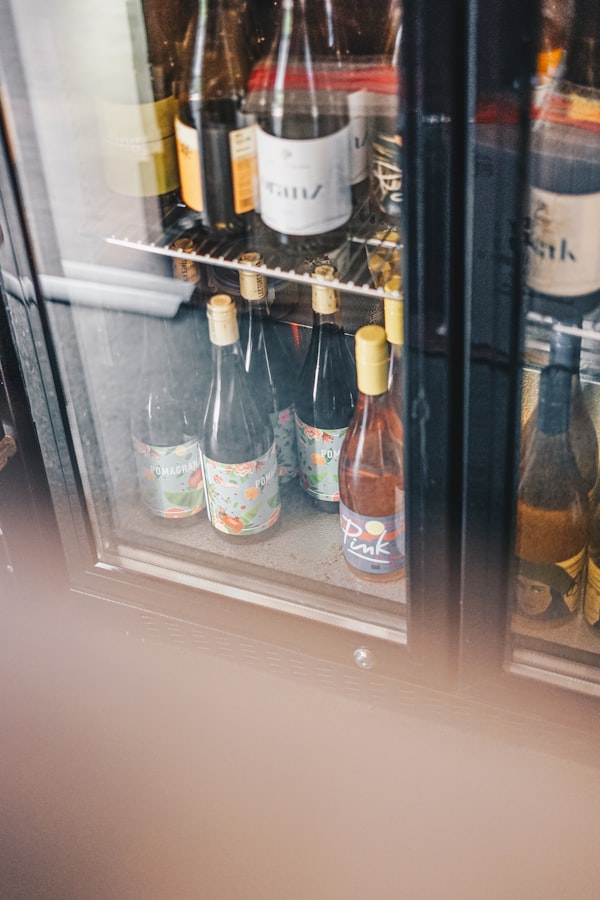
Bosch wine cooler technology and repair specifics
Bosch wine coolers use compressor-based cooling (not thermoelectric) with dual-zone temperature management for simultaneous red and white wine storage. The 800 Series models feature UV-protected glass doors, vibration-dampened compressor mounts, and humidity-controlled interiors designed to maintain 50–80% relative humidity without a separate humidification system. These precision environmental controls create specific repair challenges that differ from standard refrigeration.
Temperature stability in a wine cooler is more critical than in a standard refrigerator — wine storage requires ±1°F consistency, compared to ±3–5°F in a food refrigerator. The NTC temperature sensors in Bosch wine coolers are calibrated to tighter tolerances, and the control board adjusts compressor run time in smaller increments to avoid temperature swings. When a sensor drifts even slightly out of specification, the compressor may short-cycle or the compartment temperature may deviate enough to affect wine quality over time.
Common Bosch wine cooler issues we repair
Temperature inaccuracy is the most frequent complaint. In dual-zone models, each zone has its own evaporator, fan, and thermistor — a failure in one zone does not affect the other, but diagnosis requires testing each zone independently. Compressor noise is the second most common issue: Bosch wine coolers use low-vibration compressors mounted on rubber isolators, and worn isolators or a failing compressor start relay can produce buzzing or clicking that resonates through cabinetry.
Condensation on the glass door or inside the cabinet usually indicates a door gasket leak allowing humid room air to enter. On dual-pane glass doors, condensation between the panes indicates a seal failure in the insulated glass unit — this requires door replacement, not gasket replacement. The U.S. Department of Energy notes that proper wine storage temperature (45–65°F depending on variety) is essential for preservation — making accurate temperature control a functional necessity, not a luxury.
What a Bosch wine cooler service visit includes
The technician measures temperature in both zones with calibrated probes, checks compressor amp draw and start relay function, tests evaporator fans, inspects door gaskets, and verifies the control board is reading accurate sensor data. For built-in installations, ventilation clearances are checked — inadequate airflow around the condenser is a common cause of cooling underperformance that is easily corrected without parts replacement. For full-size refrigeration issues, see our Bosch refrigerator repair service.