This guide covers gas vs. electric range with step-by-step instructions from certified Bosch technicians. Choosing between gas, electric radiant, and induction for your Bosch range or cooktop comes down to cooking style, kitchen infrastructure, and priorities. Each technology has genuine advantages — here’s an honest comparison.
Cooking performance
Speed to boil
Winner: Induction. Bosch induction boils 1 liter of water in ~3 minutes. Gas takes ~5 minutes. Electric radiant takes ~7 minutes. See our induction technology guide for the physics behind this.
Temperature control
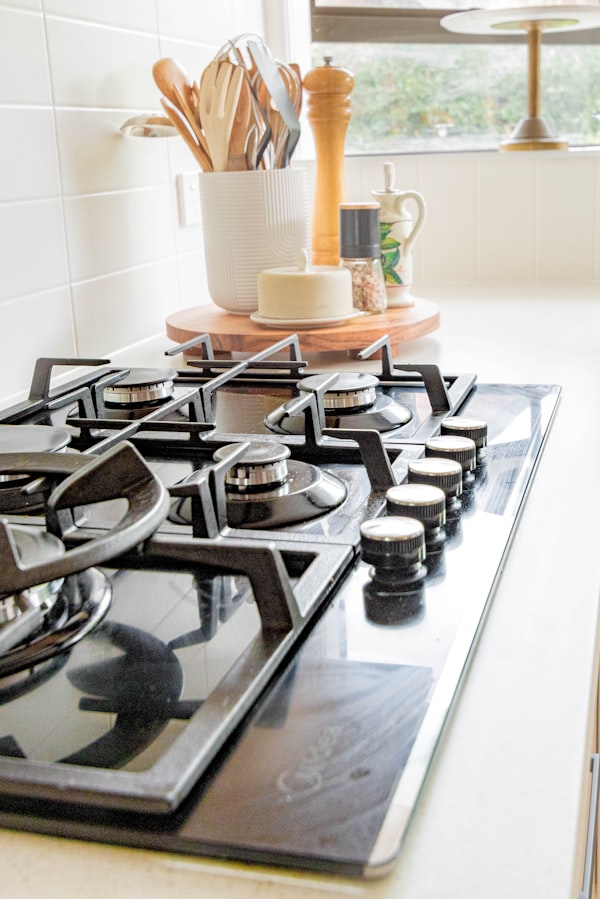
Winner: Induction, then gas. Induction responds to changes instantly. Gas responds in 2-3 seconds (visible flame adjustment). Electric radiant takes 15-30 seconds to change temperature — a frustrating delay when searing or making sauces.
Low-heat cooking
Winner: Induction. Induction can maintain extremely low, consistent temperatures — perfect for melting chocolate or keeping sauces warm. Gas burners have a minimum flame threshold below which they extinguish. Electric elements cycle on and off at low settings, creating temperature fluctuations.
Oven performance
Roughly equal. Gas and electric ovens both do excellent jobs. Gas ovens provide slightly moister heat (good for roasting). Electric ovens provide drier, more even heat (good for baking). Convection fans in both types reduce the difference.
Operating cost
At national average energy prices:
- Gas — Cheapest to operate in most US markets. Natural gas costs roughly 1/3 of electricity per BTU.
- Electric radiant — Most expensive to operate due to low efficiency (65-70% energy transfer).
- Induction — Despite using electricity, operating costs are comparable to gas because of 85-90% efficiency. You use less electricity per cooking task.
Installation requirements
- Gas — Requires a gas supply line (natural gas or propane). Installation must be done by a licensed plumber or gas fitter. If your kitchen doesn’t have a gas line, running one costs $500-$2,000+.
- Electric/Induction — Requires a 240V, 40-50A dedicated circuit. Most kitchens with an electric range already have this. If not, an electrician can install one for $200-$500.
Safety
Winner: Induction. No open flame, cool surface (only warms from pan contact), auto-shutoff, and pan detection. Gas poses combustion risks (gas leaks, carbon monoxide) and open flame hazards. Electric radiant surfaces stay hot long after shutoff — a burn risk for children and pets.
Environmental impact
Winner: Induction. No indoor combustion products (gas ranges emit NOx, CO, and formaldehyde — recent studies have raised health concerns about indoor gas combustion). Induction uses electricity, which is increasingly renewable-sourced. Gas is a fossil fuel regardless of source.
Recommendation
Induction if you’re buying new and your kitchen has or can get a 240V circuit. It’s better than gas in almost every measurable way. Gas if you have an existing gas line and prefer visible flame feedback or wok cooking (round-bottom woks need a flame). Electric radiant only if budget is the primary constraint — it’s the least expensive to purchase but the most expensive to operate.
For Bosch range repair or installation, schedule service with our certified technicians.
Gas vs. electric range: key takeaways
Understanding gas vs. electric range helps you maintain your Bosch Range at peak performance. Follow the steps above for reliable results, and schedule professional service if the issue persists or returns.
Maintaining your Bosch Range long-term
Regular maintenance extends the lifespan of your Bosch Range and prevents many common issues before they require professional repair. Bosch engineers design every component to meet strict performance and durability standards, but normal wear and environmental factors affect operation over time.
Keep your appliance rating plate information accessible — model number, serial number, and production date are essential for ordering correct replacement parts. The rating plate is typically located inside the door, on the back panel, or along the side wall. Having this information ready when you contact support reduces diagnostic time and ensures your technician arrives with the right components.