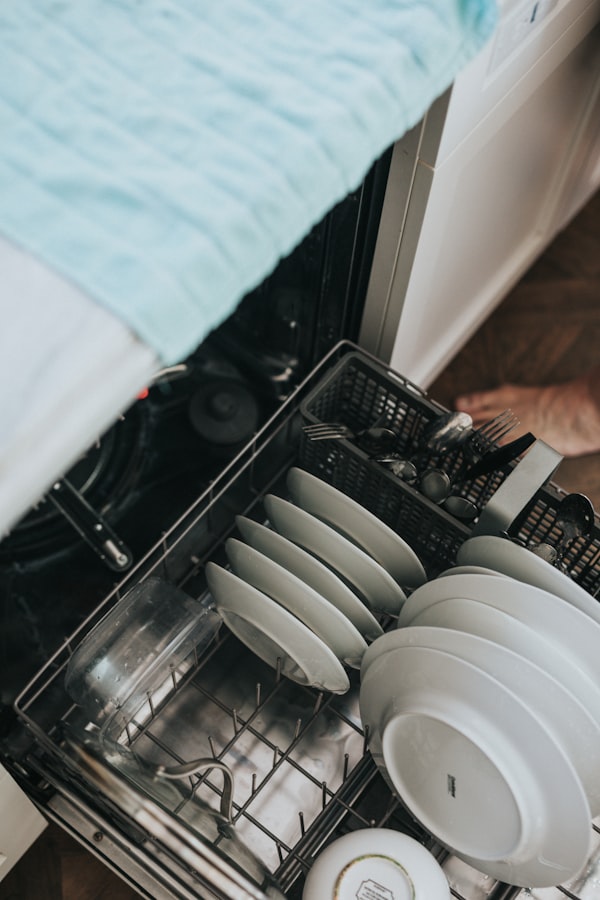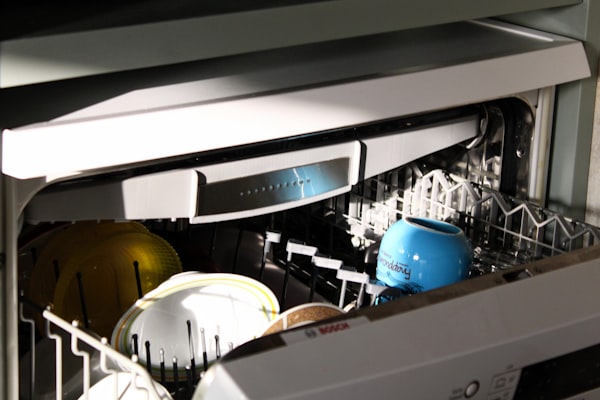
This guide covers 12 bosch dishwasher loading mistakes that ruin your wash with step-by-step instructions from certified Bosch technicians. A properly loaded Bosch dishwasher cleans everything in one cycle. An improperly loaded one leaves food residue, water spots, and half-cleaned pots. These are the 12 most common loading mistakes.
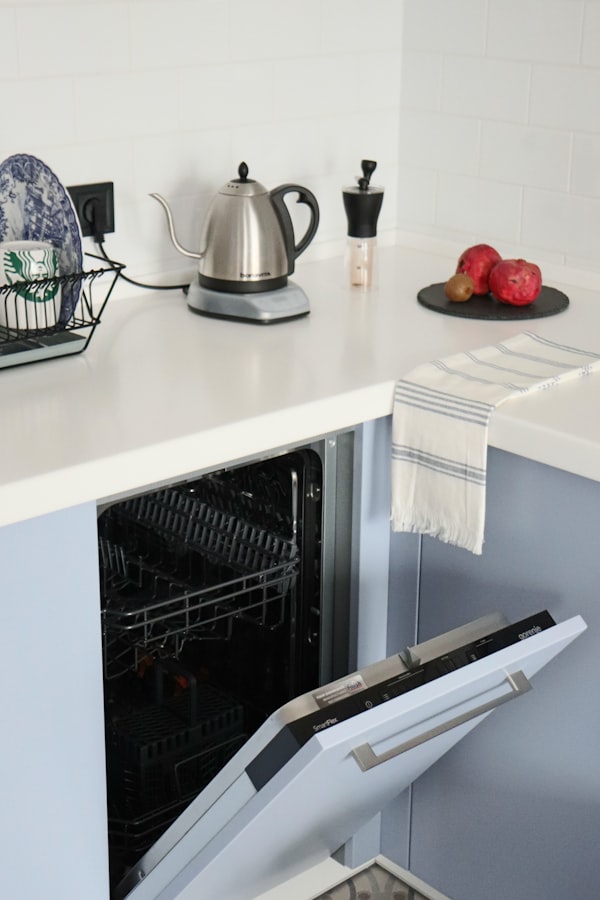
1. Pre-rinsing dishes
Counterintuitive, but don’t do it. Bosch dishwashers — especially models with PrecisionWash — use sensors to detect soil level and adjust water temperature and cycle intensity accordingly. Pre-rinsed dishes trick the sensors into running a lighter cycle. Scrape large food pieces into the trash, but leave the rest. Your dishwasher needs something to work on.
2. Blocking the spray arms
Tall items in the lower rack (cutting boards, baking sheets) can block the upper spray arm from spinning freely. Before starting a cycle, close the door slowly and listen — if you hear the spray arm hit something, rearrange. The lower spray arm needs clearance above it, and the upper spray arm needs clearance below it.
3. Nesting spoons
Spoons placed in the same direction nest together, and the inner surfaces don’t get clean. Alternate spoon directions — some facing up, some facing down. Better yet, use the third rack (300 Series and up) for flatware.
4. Placing cups right-side up
Cups, bowls, and containers must face downward and at an angle. Right-side up, they collect dirty water that pools and doesn’t drain. Angle them so water runs off — don’t lay them flat.
5. Overloading
More dishes per load seems efficient, but cramming blocks water circulation. Spray arm jets need a clear path to every surface. If you can’t see gaps between items, you’ve overloaded. Two properly loaded cycles clean better than one overstuffed cycle.
6. Wrong rack for the item
Lower rack: pots, pans, plates, cutting boards (heavy, dirty items). Upper rack: glasses, cups, small bowls, delicate items. Third rack: utensils, small lids, measuring spoons. Putting heavy items on the upper rack reduces water pressure to the lower rack.
7. Placing large items at the front
Large pots and pans at the front of the lower rack block the detergent dispenser’s spray pattern. Place them at the sides and back, facing the center spray arm.
8. Using too much detergent
More detergent doesn’t mean cleaner dishes. Excess detergent creates too many suds, reduces cleaning efficiency, and leaves a filmy residue. Follow the detergent manufacturer’s recommendation for your water hardness. For Bosch dishwashers, Finish Quantum or Cascade Platinum pods are well-matched.
9. Mixing metals
Sterling silver and stainless steel in the same basket can cause a chemical reaction called galvanic corrosion, leaving black marks on silver items. Separate metals.
10. Ignoring the filter
If your dishes come out with gritty residue, the drain filter is probably full. Clean it monthly — it takes 60 seconds. See our filter cleaning guide.
11. Wrong cycle selection
Auto cycle works for most loads. Heavy cycle for pots with baked-on food. Express/Quick for lightly soiled items. Using Heavy for every load wastes water and energy; using Quick for greasy pans leaves residue.
12. Running half-empty loads
Half loads use almost as much water and energy as full loads. Wait until you have a full load, or use the Half Load option if your Bosch model has one — it adjusts water usage for smaller loads.
Bosch dishwasher loading mistakes: key takeaways
Understanding bosch dishwasher loading mistakes helps you maintain your Bosch Dishwasher at peak performance. Follow the steps above for reliable results, and schedule professional service if the issue persists or returns.
Maintaining your Bosch Dishwasher long-term
Regular maintenance extends the lifespan of your Bosch Dishwasher and prevents many common issues before they require professional repair. Bosch engineers design every component to meet strict performance and durability standards, but normal wear and environmental factors affect operation over time.
Keep your appliance rating plate information accessible — model number, serial number, and production date are essential for ordering correct replacement parts. The rating plate is typically located inside the door, on the back panel, or along the side wall. Having this information ready when you contact support reduces diagnostic time and ensures your technician arrives with the right components.